
Creating a relaxing home workspace is essential for maintaining focus, reducing stress, and improving overall productivity. Whether you work remotely full time or occasionally, having a comfortable and organized area dedicated to work can make all the difference in your daily routine. This guide will walk you through practical steps to design a calming workspace that helps you stay motivated and balanced.
Why a Relaxing Workspace Matters
A workspace that feels cluttered, noisy, or uncomfortable can lead to distractions, fatigue, and a lack of enthusiasm for your tasks. On the other hand, a space crafted to promote relaxation and concentration supports clearer thinking and greater efficiency. When your environment feels pleasant and tailored to your needs, it encourages a positive mindset.
Step 1: Choose the Right Location
Find a Quiet Spot
Select a part of your home with minimal noise disruptions. This could be a spare room, a corner in your living room, or any area separate from busy household activities.
Consider Natural Light
Position your desk near a window if possible. Natural light enhances mood and reduces eye strain. If natural light isn’t an option, invest in soft, warm artificial lighting to create a welcoming atmosphere.
Step 2: Invest in Comfortable Furniture
Ergonomic Chair
A supportive chair helps prevent back pain and encourages good posture. Look for adjustable features to customize height and lumbar support.
Spacious Desk
Choose a desk that fits your available space but still accommodates your computer, notebooks, and other essentials without feeling cramped.
Step 3: Declutter and Organize
Minimize Items on Your Desk
Keep only frequently used items within reach. Excess clutter can be distracting and stressful.
Use Storage Solutions
Incorporate shelves, drawers, or organizers to keep papers and supplies tidy and out of sight when not needed.
Cable Management
Use clips or cable boxes to keep cords neat, preventing a chaotic look and potential tripping hazards.
Step 4: Personalize Your Space
Add Calming Decor
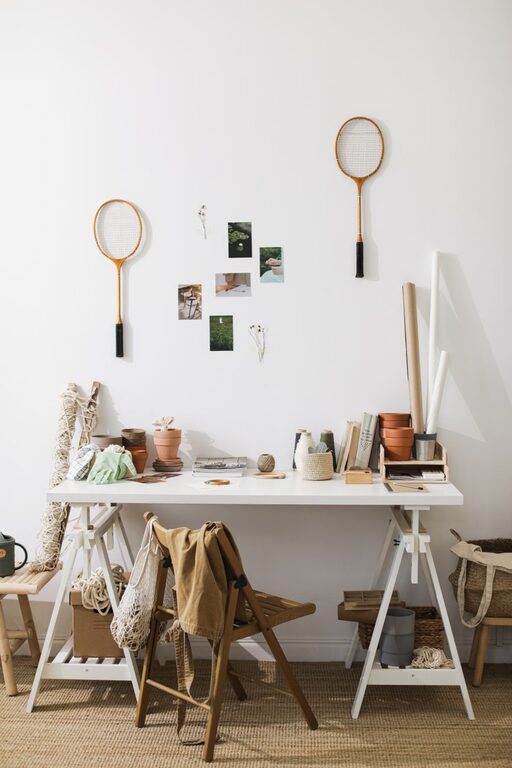
Incorporate elements like plants, artwork, or calming colors to make the space inviting and reduce stress.
Use Scent
A subtle diffuser with essential oils like lavender or eucalyptus can create a soothing atmosphere without being overpowering.
Soft Textiles
Consider a cozy rug or a comfortable cushion to add warmth and softness to your workspace.
Step 5: Optimize Technology Setup
Monitor Positioning
Place your monitor at eye level to avoid neck strain.
Keyboard and Mouse
Choose ergonomic models to reduce wrist discomfort.
Headphones or Speakers
Use noise-cancelling headphones if you need to block distractions or speakers for background music that boosts concentration.
Step 6: Establish Boundaries
Set Work Hours
Define specific start and end times for your workday to maintain balance.
Communicate With Household Members
Let others know your work schedule to minimize interruptions.
Create a Ritual
Begin your workday with a calming routine such as stretching or a few deep breaths to shift into focus mode.
Step 7: Maintain Your Workspace
Daily Tidy-Up
Spend a few minutes each day clearing your desk and organizing materials.
Regular Refresh
Periodically reassess your setup to ensure it continues to meet your needs and adjust as necessary.
Bonus Tips for Enhancing Relaxation
– Incorporate Movement: Take short breaks to stretch or walk around to reduce tension.
– Use a Timer: Work in focused intervals (like the Pomodoro technique) to balance work and rest.
– Stay Hydrated: Keep a water bottle nearby to encourage regular hydration.
Conclusion
Designing a relaxing home workspace is a worthwhile investment in your well-being and productivity. By carefully selecting your location, investing in comfortable furniture, organizing efficiently, and adding personal touches, you create an environment that supports your best work. Remember, your workspace should reflect your preferences and help you feel calm and focused every day. With these steps, you’re well on your way to crafting a home office that feels both productive and peaceful.
Related Posts

How to Refresh Your Workspace in Ten Minutes
Creating an inviting and organized workspace doesn’t have to take…
Simple Ways to Personalize Your Workspace for Better Focus and Comfort
Creating a workspace that feels personally inviting can make a…